
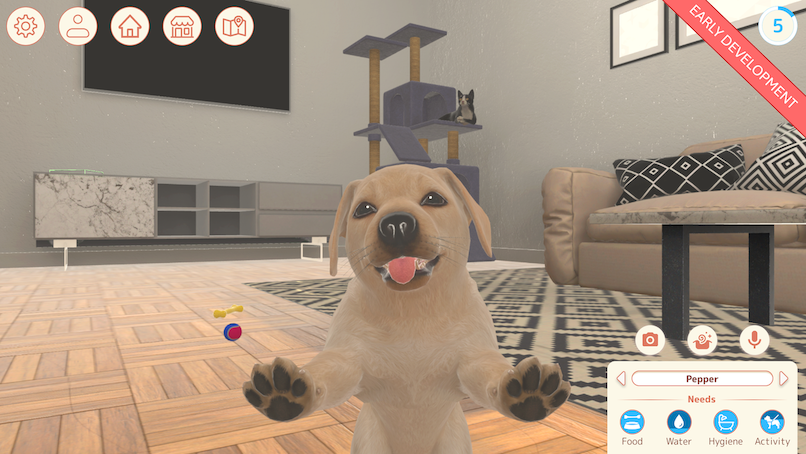
The best cozy pet game is not the same for everyone. Some players want gentle daily routines. Others want deeper progression, social goals, or strong species personality depth. If you are an animal lover choosing between options, broad recommendations are not enough. You need a comparison method that reflects your real schedule and priorities. This guide gives you a practical framework that helps you pick a game you will keep, not just install.
Table of Contents
Define Your Cozy Priorities
Cozy can mean emotional comfort, predictable rhythm, low stress, or all of the above. If you do not define your priorities first, every game comparison will feel noisy.
Start by writing down what matters most to you: short-session value, bonding feel, progression goals, or social options. Then evaluate games against that list.
Care Loop Quality First
In this genre, care loops are the core product. Feeding, grooming, and interaction quality matter more than splash features. If the daily loop feels weak, long-term retention is unlikely.
Focus on whether routine actions still feel satisfying after several sessions, not just whether the first hour is cute.
Quick Care Checklist
- Are interactions emotionally readable?
- Is routine easy to maintain daily?
- Do actions create visible outcomes?
- Does repetition still feel rewarding?
Progression Clarity and Pressure Balance
Good progression gives direction without creating anxiety. Too little structure causes drift. Too much urgency causes burnout. The best cozy games hold that middle line.
Look for milestones that feel meaningful but optional in pacing. A flexible rhythm usually outperforms pressure-heavy systems long term.
Species Variety and Personality Depth
Animal lovers often care deeply about companion identity. Multiple species only adds value when behavior feels distinct, not when it is cosmetic relabeling.
PawFriends is particularly relevant here because it is positioned around both dogs and cats. The key quality test is whether each companion style feels different in routine play.
Guiding Principle
Choose the game where companions feel expressive after week two, not just appealing on day one.
Social Fit for Your Play Style
Some players want multiplayer energy and shared goals. Others prefer solo-first routines. The best games allow both by making social systems additive instead of mandatory.
If social participation feels forced, cozy tone often breaks. Flexible social design is usually better for long-term retention in this genre.
Mobile Pacing and Session Flexibility
Your schedule will vary, so short sessions must still matter. If progress only happens in long sessions, routines break quickly for most players.
Great mobile pet games make both quick check-ins and deeper sessions meaningful, with no hard dependency on one format.
A Simple Scorecard You Can Use
Score each candidate from one to five in five categories: care quality, progression clarity, session flexibility, species depth, and social fit. Weight categories by your priorities.
This method is simple, fast, and more reliable than trailer-based decisions. For deeper context, read What Makes a Great Virtual Pet Game? and Virtual Pet Game.
Follow the PawFriends Journey
Join the newsletter for devlog updates, Kickstarter milestones, and important progress notes.
Join newsletter updatesFrequently Asked Questions
What should I prioritize first when choosing a cozy pet game?
Start with care loop quality and session flexibility, then compare progression and species depth.
Do visuals matter more than systems?
Visuals matter, but systems determine long-term retention. Loop quality should come first.
Are social features required for long-term play?
No. The best games keep solo progression meaningful and treat social systems as optional depth.
How quickly can I find a good fit?
A one-week scorecard trial is usually enough to narrow options with confidence.