
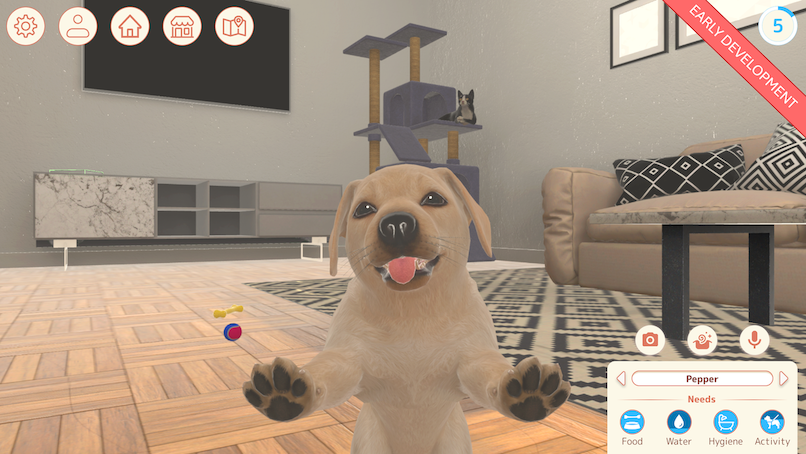
Supporters do not just back features on Kickstarter. They back trust. For PawFriends, that means communication quality is part of the product experience. Clear updates, realistic scope framing, and honest certainty levels matter as much as concept art. This article explains what supporters should expect from the PawFriends Kickstarter journey and how to read updates in a way that keeps expectations grounded and useful.
Table of Contents
Why Trust and Clarity Matter
Frequent posts are not automatically useful. Useful posts reduce uncertainty by showing what changed, why it changed, and what comes next. That is how trust compounds over time.
In long development cycles, clarity protects both supporters and teams from expectation drift.
What a Good Update Looks Like
A strong format is simple: recent progress, current focus, known risks, and next checkpoint. This structure helps supporters understand status without decoding internal production language.
Consistency in format is underrated. It makes progress easier to compare from update to update.
Useful Update Components
- What changed since last update.
- What is actively being worked on.
- What constraints are visible.
- What to expect before the next post.
Confirmed Scope vs Exploratory Direction
One of the most important communication habits is labeling certainty correctly. Confirmed work and exploratory ideas should never read the same in updates.
This protects excitement without creating false promises. Supporters can stay informed without guessing what is final.
Milestones Without Overpromising
Milestones should represent meaningful product slices, not optimistic date targets. Reliable communication usually favors confidence level over forced precision.
Supporters generally prefer realistic transparency to aggressive promises that later require heavy correction.
Guiding Principle
Specific and honest beats frequent and vague.
How Community Feedback Is Used
Not every request can become scope, but repeated patterns should inform priorities, polish decisions, and communication focus. Clear criteria helps supporters understand tradeoffs.
The most helpful feedback is specific: tied to systems, player experience, or usability outcomes.
Blog, Newsletter, and Social Rhythm
Different channels should serve different depth levels. Long-form blog posts carry context. Newsletters summarize milestones. Social channels surface highlights and quick signals.
Layered communication prevents overload and gives supporters control over how much detail they want.
A Supporter Playbook for Following Progress
Read full updates, not only headline snippets. Track certainty language. Compare progress across structured update sections. Ask focused questions about systems, not just dates.
For connected context, see the full blog and How Paw Clubs Bring Cozy Multiplayer.
Follow the PawFriends Journey
Join the newsletter for devlog updates, Kickstarter milestones, and important progress notes.
Join newsletter updatesFrequently Asked Questions
Will every update include exact release timing?
Not always. Timing should be shared when confidence is high enough to be useful and responsible.
How often should meaningful updates appear?
Consistency and clarity matter more than high posting frequency without context.
Can feedback influence priorities?
Yes. Repeated feedback patterns can influence roadmap priorities when they align with core experience quality.
Which channel should I follow for full context?
The long-form devlog is usually best for detailed context, with newsletters for concise milestone summaries.